Real Estate Lead Generation India: Complete 2026 Playbook
Discover a complete 2026 playbook for real estate lead generation in India — Local SEO, Google Ads, GBP optimisation, and lead tracking strategies that work.


Real Estate Lead Generation in India: A Complete 2026 Playbook
If you run a real estate business in India — an independent agent, a small brokerage, or a growing developer — you've probably felt this shift already. Your phone used to ring because of referrals and word-of-mouth. Now it barely rings, while the same buyers and tenants seem to be finding your competitors on Google, Instagram, and property portals instead.
This is the core challenge behind real estate lead generation in India today: having a website or a portal listing is no longer enough on its own. Buyers now research locality, budget, and builder reputation entirely on their phones before they ever call anyone. If your business isn't visible at the exact moment someone searches "2BHK flats near [locality]" or "verified property dealer near me," that enquiry goes to whoever is visible — even if your properties, pricing, or service are better.
This playbook breaks down, step by step, how Indian real estate businesses can build a proper lead-generation system in 2026 — one that connects Google Search, Google Maps, your website, and your follow-up process into a single funnel. It's written for beginners, but there's enough depth here for business owners who already have a website and want to sharpen their strategy. And while the focus is real estate, most of these principles apply just as well if you run a café, a gym, a coaching institute, or any other local business that depends on nearby customers finding you online.

What Is Real Estate Lead Generation, and Why Does It Matter in 2026?
What Are Google Leads?
A "Google lead" is any enquiry — a phone call, a WhatsApp message, a website form, or a request for a site visit — that starts because someone found your business through Google Search or Google Maps, rather than through a referral or a paid property portal. Google leads tend to be higher intent than portal leads because the person searched for something specific to their need (a locality, a budget range, a property type) rather than browsing a generic listings feed.
How Local Customers Actually Search Today
Very few buyers today type "real estate agent" into Google. Instead, they search the way they'd ask a friend: "3BHK for rent near Rajpur Road Dehradun," "plots for sale near Haridwar highway," "best property consultant near me," or "PG near Parmarth Niketan Rishikesh." These searches combine intent (buy, rent, invest), property type, and location — and Google is built to match exactly this kind of query to nearby, relevant businesses.
How Google Search and Google Maps Generate Leads
When someone searches with local intent, Google typically shows two things: the map pack (a set of three business listings with a map, pulled from Google Business Profiles) and the regular organic results below it. Google decides who appears using three broad factors — how relevant a business is to the search, how physically close it is to the searcher, and how prominent or trustworthy it appears based on reviews, links, and overall web presence. A business that's strong on all three tends to show up consistently for both Search and Maps.
Why Local SEO Is Non-Negotiable in 2026
Two things have changed the game for local businesses in India. First, "near me" and locality-specific searches now make up a large share of property search behaviour, especially on mobile. Second, Google increasingly surfaces short, AI-generated summaries directly on the results page for local queries — which means an incomplete or outdated Google Business Profile can mean being left out of that summary entirely, not just ranking lower. Local SEO is how you make sure your business is accurately represented wherever Google decides to show it.
Turning Online Searches Into Enquiries and Customers
Visibility alone doesn't close deals. The realistic funnel looks like this: a buyer searches → finds your Google Business Profile or website → checks your reviews and photos → visits your website or landing page → and either calls, messages you on WhatsApp, or fills a form. Every strategy in this playbook is designed to strengthen one or more steps in that funnel — because a leak at any single step (a slow website, a missing WhatsApp button, no reviews) quietly costs you enquiries you never even see.
Step-by-Step Real Estate Lead Generation Strategies
1. Optimise Your Google Business Profile
Your Google Business Profile (GBP) is often the very first thing a buyer sees, so treat it as a mini-website. Choose the most specific and accurate primary category (for example, "Real Estate Agency" rather than a generic "Business"), keep your name, address, and phone number consistent everywhere online, add your service areas, and upload real photos of your office, projects, or team — not stock images.
2. Build a Strong Local SEO Foundation
Local SEO is the broader discipline that GBP sits inside. It includes making sure your business details are consistent across directories, earning mentions and links from local websites, and structuring your website so Google clearly understands which cities and localities you serve. Google's own SEO Starter Guide is a genuinely useful, free reference if you want to go deeper here.
3. Fix Your Website SEO
Beyond Google Maps, your website itself needs to rank in organic search. That means clean page titles and meta descriptions, proper use of heading tags, fast-loading images, and a logical page structure that a first-time visitor (and Google's crawlers) can understand without effort.
4. Do Proper Keyword Research
Instead of guessing what buyers search for, use free tools like Google Keyword Planner or Google Search Console to find the actual phrases people use — things like "flats for sale in [locality]" or "commercial shops for rent near [area]." Build your website content, blog posts, and ad campaigns around these real search terms.
5. Create Location-Based Landing Pages
If you operate across multiple localities or cities, build a separate page for each — for example, a dedicated page for "Properties in Dehradun" and another for "Plots in Haridwar," rather than one generic "properties" page. This helps each locality rank on its own and gives buyers content that's specific to where they actually want to live or invest.
6. Speed Up Your Website
A slow website is one of the fastest ways to lose a lead that Google already sent you. Compress images, remove unnecessary plugins or scripts, and use a fast, reliable hosting provider. Even a few seconds of extra load time on mobile can make an interested buyer bounce before your page finishes loading.
7. Design a Mobile-Friendly Website
Most property searches in India now happen on a phone, and Google evaluates your site primarily on its mobile version. Buttons should be easy to tap, text should be readable without zooming, and enquiry forms should work smoothly on a small screen.
8. Build Conversion-Focused Landing Pages
A landing page for a specific project or campaign should do one job well: get the visitor to enquire. Keep it focused — a clear headline, a few strong photos, key project details, and one obvious action (call, WhatsApp, or form) rather than a dozen competing links.
9. Collect and Manage Google Reviews
Reviews influence both ranking and trust. Ask happy clients directly for a Google review once a deal closes, respond to every review (positive or negative) professionally, and never buy fake reviews — Google actively penalises this, and it damages long-term credibility. You can read Google's own guidance on this in the Google Business Profile Help Centre.
10. Use Social Media Marketing
Instagram and Facebook are where many Indian buyers first discover a project, especially through reels showing property walkthroughs, locality highlights, or client testimonials. Consistency matters more than frequency — a few well-made posts a week outperform daily low-effort ones.
11. Invest in Content Marketing
Blog posts about localities, home-buying guides, or "what to check before renting in [city]" build long-term organic traffic and position you as a trustworthy advisor rather than just another agent. This content also gives you fresh material to share on social media and in WhatsApp broadcasts.
12. Run Meta Ads
Facebook and Instagram Ads let you target buyers by location, income indicators, and interests, making them a cost-effective way to build awareness for a specific project and retarget people who've already shown interest in your listings.
13. Run Google Ads
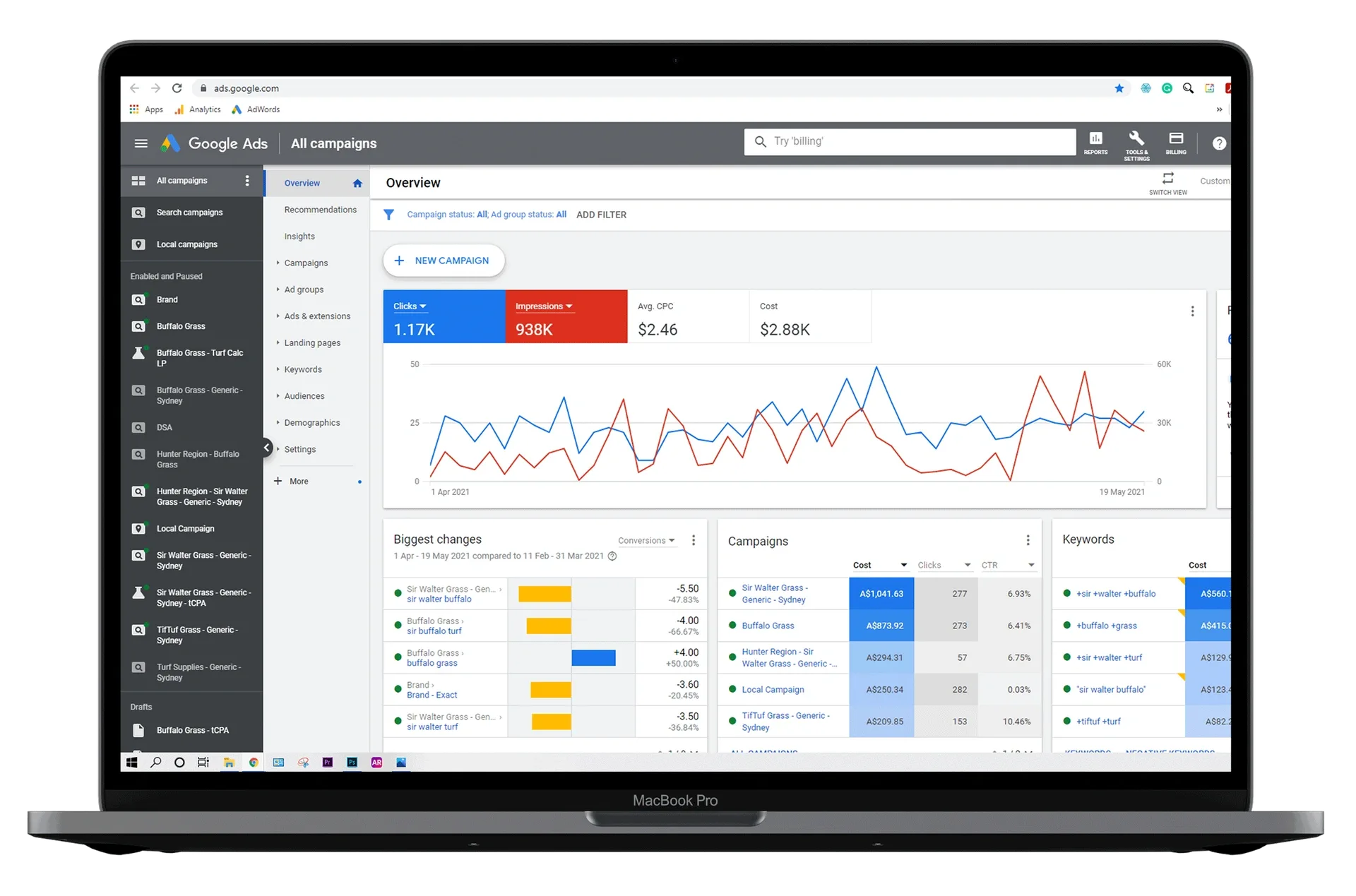
Google Search Ads put your listing directly in front of people actively searching for property in your area right now — genuinely high-intent traffic. Because clicks are paid, tightly-targeted keywords and a fast, relevant landing page matter enormously for controlling your cost per enquiry.
14. Simplify Your Lead Forms
Every extra field on an enquiry form reduces the number of people who complete it. Ask only for what you truly need at the first touchpoint — usually just a name and phone number — and gather more details during the follow-up call.
15. Add WhatsApp Enquiry Integration
Many Indian buyers prefer messaging over calling or filling forms. A visible "Enquire on WhatsApp" button on your website and Google Business Profile removes friction and often produces faster, more genuine responses than a web form.
16. Optimise Your Calls-to-Action
Generic buttons like "Submit" convert poorly. Specific, low-pressure phrasing — "Get Site Visit Details," "Check Availability," "Talk to an Advisor" — tells the visitor exactly what happens next and reduces hesitation.
17. Track Leads and Analyse Performance
Connect Google Analytics, Google Search Console, and call/WhatsApp tracking so you know which channel, page, or ad is actually producing enquiries. Without tracking, you're optimising by guesswork rather than data.
Real Examples From Indian Local Markets
These principles play out similarly across business types, and the same fundamentals apply whether you're in a metro or a smaller market like Rishikesh, Haridwar, or Dehradun:
- Real estate companies in Dehradun ranking for "plots near [highway/locality]" capture buyers who are already comparing specific areas, not just browsing.
- Hotels and hostels in Rishikesh and Haridwar rely heavily on Google Maps visibility and reviews during yatra and tourist seasons, when most bookings start with a "near me" search.
- Yoga schools and travel or rafting operators in Rishikesh often see enquiries driven almost entirely by Google Business Profile photos, reviews, and a simple WhatsApp enquiry option.
- Gyms, salons, and coaching institutes in Dehradun benefit from location-based landing pages and locality-specific keywords ("gym near Clock Tower Dehradun") far more than a single generic homepage.
- Cafes and restaurants across all three cities depend on accurate hours, menu photos, and review responses on their Google listing — often more than their actual website.
The common thread: local intent + an accurate, well-maintained online presence = more qualified enquiries, regardless of industry.
The ROI and Business Benefits of a Proper Lead-Generation Strategy
A connected digital strategy — Google presence, website, ads, and follow-up working together — typically helps businesses:
- Generate more consistent enquiries instead of relying on lucky referrals
- Increase qualified website traffic from people actively searching for what they offer
- Get more calls and WhatsApp messages from nearby, high-intent customers
- Improve visibility in Google Maps and the local map pack
- Build credibility through reviews, photos, and a professional web presence
- Reduce dependency on any single referral source or property portal
- Reach buyers and tenants outside their immediate personal network
- Improve conversion rates through better landing pages and faster follow-up
Results vary significantly by market, competition, budget, and how consistently the strategy is executed — there's no guaranteed ranking position or income outcome, and any agency claiming otherwise should be treated with caution.
Why Choose Star Orbit Tech for Digital Growth
Executing everything above — Google Business Profile management, local SEO, website performance, ad campaigns, and lead tracking — takes time most business owners don't have. This is where a dedicated digital partner is genuinely useful.
Star Orbit Tech works with small businesses, startups, and service providers across India on exactly this kind of integrated digital growth, including:
- Local SEO and Google Maps optimisation
- Website development built around speed and conversions
- Website SEO and technical fixes
- Meta Ads and Google Ads management
- Graphic design for social media and campaigns
- Lead generation and digital marketing strategy end-to-end
Rather than treating SEO, ads, and web design as separate, disconnected services, Star Orbit Tech's SEO and digital marketing services are built to work together — so your Google Business Profile, your website, and your ad campaigns all point toward the same goal: more genuine enquiries. You can also browse the Star Orbit Tech blog for more practical guides like this one.
Frequently Asked Questions
Start by fully optimising your Google Business Profile, keeping your business details consistent across the web, collecting genuine reviews, and making sure your website is fast, mobile-friendly, and easy to enquire through.
Local SEO helps Google understand where your business is located and what it offers, which improves your chances of appearing in the map pack and local organic results when nearby customers search for your services.
Focus on an accurate, complete Google Business Profile, a correct primary category, consistent name-address-phone details, regular photo updates, and a steady flow of genuine customer reviews with thoughtful responses.
A Google Business Profile alone can generate some leads, but a website significantly increases credibility, gives you more control over conversion (forms, WhatsApp buttons, project details), and helps you rank in organic search beyond just the map pack.
Costs vary widely based on business size, competition in your area, and the scope of work involved — from basic Google Business Profile setup to ongoing, comprehensive local SEO campaigns. It's best to get a scoped quote based on your specific market and goals.
They serve different purposes: Google Ads deliver faster, paid visibility for immediate enquiries, while SEO builds slower but more sustainable, lower-cost-per-lead visibility over time. Most established businesses eventually use a combination of both.
SEO is a medium-to-long-term strategy; meaningful improvements in visibility and leads typically take a few months and depend on competition, your starting point, and consistency of effort. There's no fixed or guaranteed timeline.
Star Orbit Tech can audit your current online presence and build an integrated plan across Google Business Profile optimisation, local SEO, website development, and Google or Meta Ads — tailored to your specific market, budget, and business goals.
Conclusion: Ready to Get More Customers Online?
Real estate lead generation in India in 2026 isn't about one clever trick — it's about consistency across your Google Business Profile, your website, your ads, and how quickly and clearly you follow up with an enquiry. Businesses that treat these as one connected system, rather than separate one-off tasks, are the ones that keep showing up when local customers search.
If you're ready to strengthen your website, Google Maps presence, advertising, or overall lead-generation strategy, Star Orbit Tech can help you put a practical plan together.
Visit Star Orbit Tech for a Free ConsultationDisclaimer: This article is intended for general informational purposes only and does not guarantee specific rankings, lead volumes, or income outcomes. Actual results depend on your market, competition, budget, and consistency of execution. Please conduct your own research or consult a professional before making significant marketing investments.